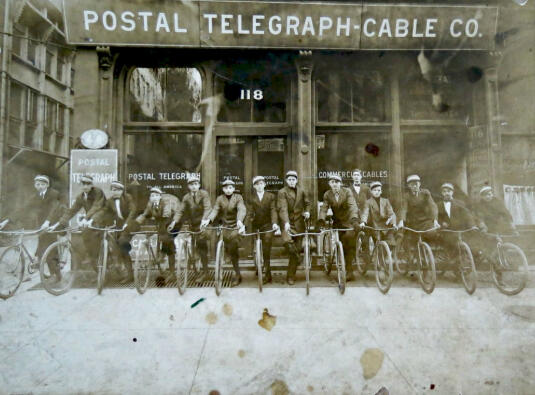
www.thetelegraph.org.au
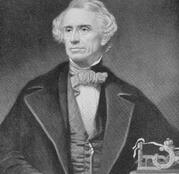
Samuel Morse - the man of the century!
The Telegraph - A deep dive
By: Isabella Hearley
For : History, term 3 end assessment
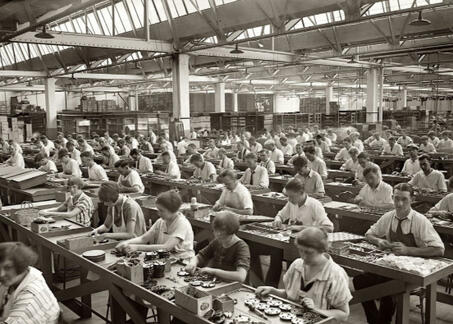
What was the industrial revolution?
- A significant era in modern history that changed the world from agrarian culture to one ruled by industries and machines
- Began in Britain late 18th century, continued until the early 20th century
- Introduced technology and improved methods of production for industries that once relied on skilled workers. Pays were cut, child labour increased, environment suffered, society was divided
- Revolutionized modern ideas and mindsets.
- Many inventions made during this period created what we have today.
History of the telegraph
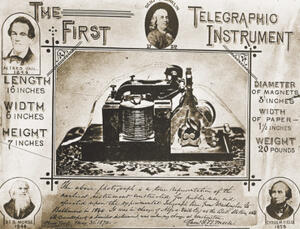
- 1830; Samuel Morse begins to create the telegraph, inspired by discussions of electromagnetism
- 1838; Samuel Morse demonstrates his idea of the telegraph to congress
- 1840; Samuel Morse receives funding for his idea, and the telegraph is brought to life.
- 1844; the first message "What have God wrought?" is sent by electrical telegraph.
How does the telegraph work?
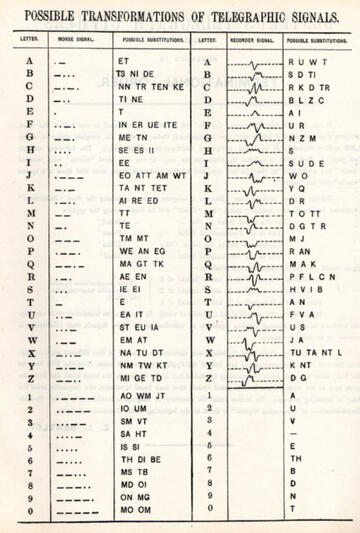
- Functions using a single copper wire to transmit messages in the form of morse code.
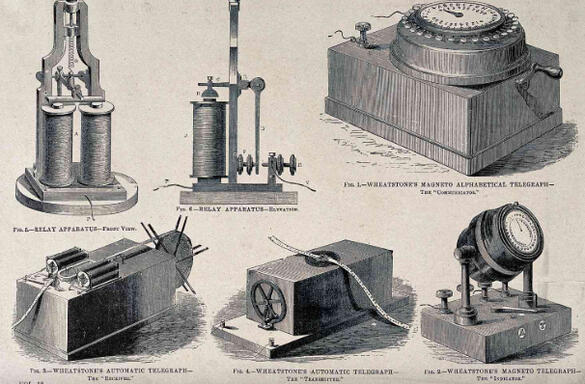
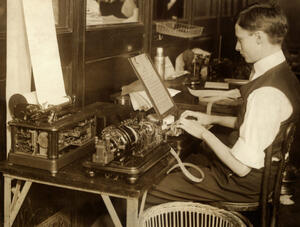
- When a telegraph operator presses a key, an electrical impulse is sent to the inner workings of the telegraph.
- When this step is complete, an electromagnet moves a lever that marks a paper in morse code.
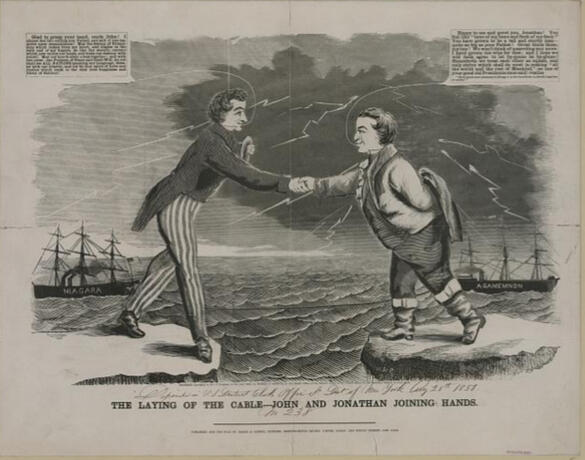
- Message is sent over long distances via wire.
- In the sounder variation of the telegraph, instead of making indents in paper, clicks will be heard. The duration of these clicks correspond to morse code.
Effects on the world
Social
- Helped humans overcome isolation / disconnection with communities
- Largely impacted language (introduced idioms & colloquial expressions) and influenced literary styles
- Gave humanity hope for the future
- Changed relationships between governmentsEconomic
- Businessmen could conduct business over long distances
- Prices of goods were driven down
- Banks could easily transfer funds between branches
- Railway & shipping companies operated more efficiently, making room for more business
Why was the telegraph needed?
- To revolutionize communication for all distances
- Before the telegraph, communication was slow & heavily relied on delivery services.
- A rising need for reliable/trusted communication
- Technology was vastly changing due to the discovery of electromagnetism and communication needed to adapt with the times.
- To ease pressure on society
How did the telegraph affect the world?
Benefits
- Ended child labour with its largely self-operated mechanics
- Contributed to the women's rights movement
- Improved life with its convenience
- Lead to the invention of the cell phoneDownsides
- Public safety was put at risk due to wiretappers and secret spies
- Dangerous people had easier access to classified information (government, private details on business, etcetera)
- Loss of jobs within the delivery industry
Final conclusion
- There is undeniable evidence that the telegraph changed the world for the better.
- The telegraph paved the way for the inventions we have today and how communication functions in the modern world.
- Because of this invention, society changed for the better (women gained more rights, more safe job opportunities, the ending of child labour)
- The economy flourished and benefitted both the tycoons and the masses.